Comprehensive Programs
Curriculum designed to transform traditional farming into a profitable, sustainable business enterprise.
Vocational Skills
Hands-on training in modern farming techniques and sustainable agricultural practices.
Climate Action
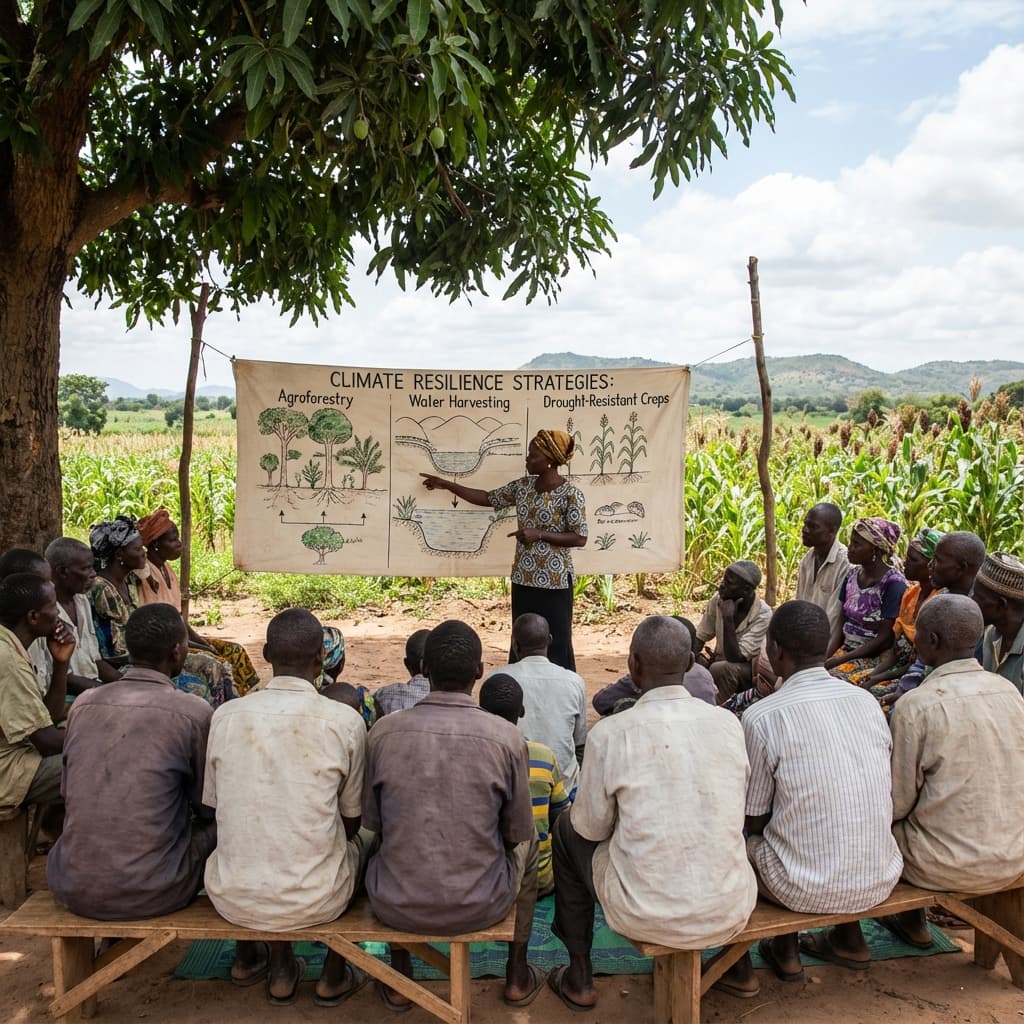
Climate-smart agriculture programs including mulching demonstrations and sustainable farming for climate resilience.
Humanitarian Response
Supporting IDP communities and conflict-affected areas with agricultural training and livelihood programs.
Land Acquisition
Technical guidance and support for acquiring and developing agricultural land sustainably.
Govt Partnership
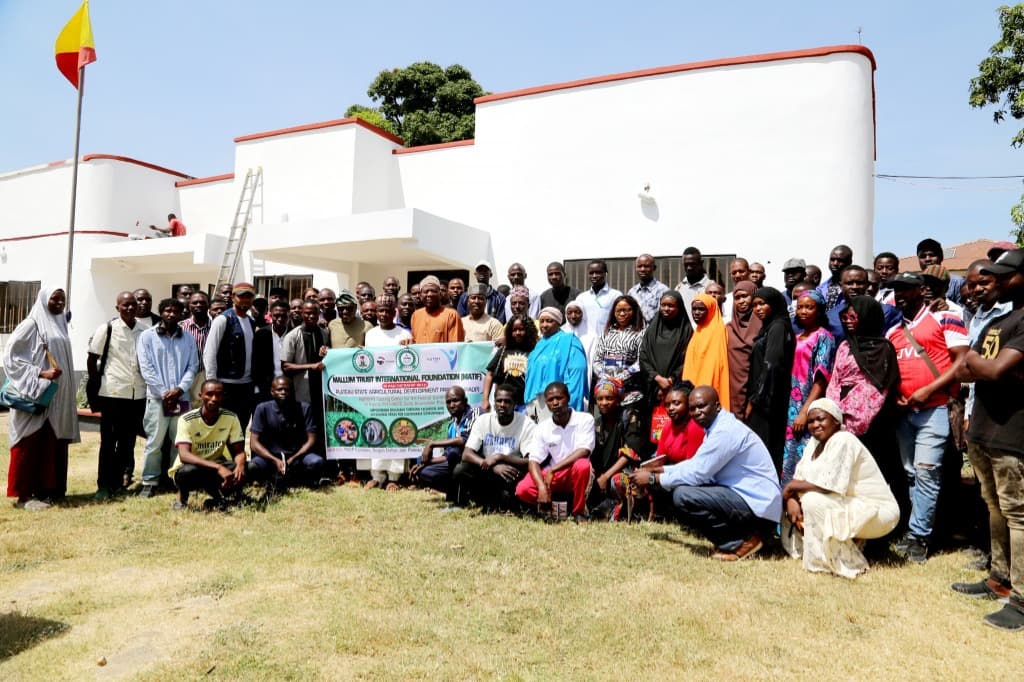
Federal Government approved training partner working with the Ministry of Education.
International Partnerships
Cross-border agricultural exchanges and knowledge transfer programs with global partners.
Technology Integration
Implementing modern tech solutions for farm management and yield optimization.
Driving Impact Across Seven Key Areas
Our holistic approach addresses the interconnected challenges of poverty, climate change, and development.
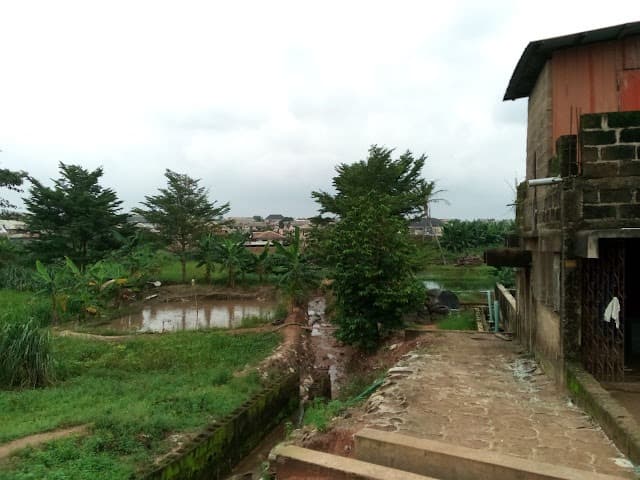
Transforming Agriculture for Prosperity & Food Security
Empowering smallholder farmers with modern skills, sustainable practices, and market access to ensure food security and economic growth across Nigeria and Africa.
The Vital Role of Agriculture
Agriculture serves as the backbone of African economies and is the primary source of livelihood for millions across the continent. However, the sector faces significant challenges, including outdated farming methods, limited access to quality inputs, and poor post-harvest handling. These issues lead to low yields and persistent poverty among smallholder farmers. We recognize that revitalizing this sector is not just about growing food; it is about securing the future of our nations, reducing reliance on food imports, and creating a sustainable pathway out of poverty for rural communities.
Our Strategic Goals
MATIF is dedicated to modernizing the agricultural landscape through comprehensive training and equitable resource distribution. Our primary goal is to increase crop yields by at least 300% for our beneficiaries by introducing high-yielding varieties and modern mechanized farming techniques. We aim to foster a new generation of agri-entrepreneurs who view farming as a profitable, scalable business rather than a mere subsistence activity. By linking farmers to premium markets and establishing robust value chains, we ensure that their hard work translates into tangible economic prosperity.
Impact in Action
Our flagship 'Vocational Skills in Agriculture' program utilizes state-of-the-art demonstration farms to teach best practices in real-time. We have successfully trained over 500 farmers in greenhouse management, irrigation systems, and organic farming techniques. These interventions have not only boosted production but also improved the quality of produce, meeting international standards. One notable success is our cooperative support initiative, which has enabled groups of farmers to pool resources, access credit, and negotiate better prices for their bumper harvests.
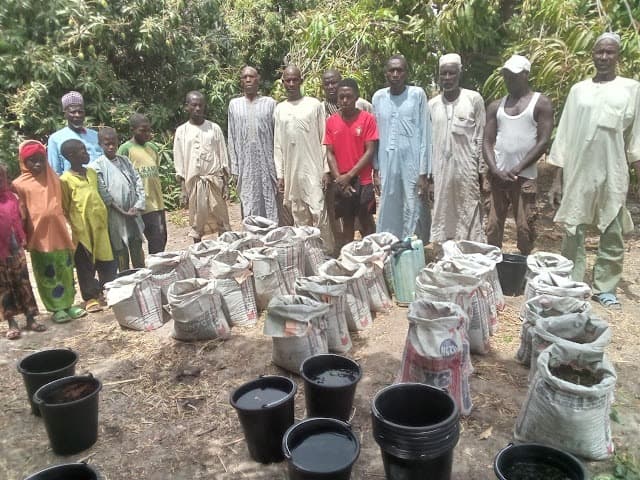
Building Resilience Through Climate Action
Championing climate-smart solutions to protect our environment, restore degraded lands, and safeguard the livelihoods of vulnerable farming communities.
The Climate Crisis Context
Climate change poses an existential threat to agriculture across Africa, where desertification, erratic rainfall patterns, and extreme heat are destroying harvests and displacing communities. The degradation of arable land is shrinking the resources available for farming, leading to conflict and food insecurity. Immediate, concerted action is needed to adapt to these changing conditions and mitigate their devastating effects on our continent's delicate ecosystem. Ignoring this crisis is not an option if we want to preserve our land for future generations.
Adaptation & Mitigation Strategies
We are committed to a two-pronged approach: adaptation and mitigation. Our goal is to plant 1 million trees over the next five years to restore green cover and combat desertification. Simultaneously, we promote regenerative agriculture practices that improve soil health and sequester carbon. We aim to build community resilience against climate shocks by introducing drought-resistant crop varieties and teaching water conservation techniques like mulching and drip irrigation, ensuring farmers can thrive even in adverse weather conditions.
Restoring Our Land
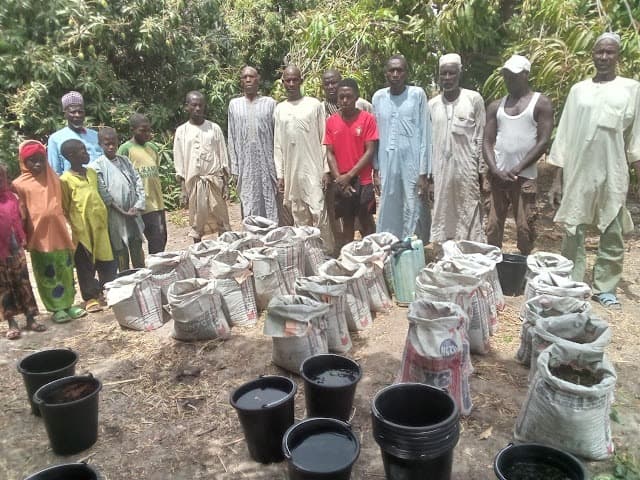
Our 'Mulching Demonstration' project in Maiduguri stands as a testament to our commitment. Working with IDPs on arid lands, we demonstrated how simple mulching techniques could retain soil moisture and support crop growth where it was previously thought impossible. Additionally, we run regular community workshops on reforestation and sustainable land use management. These initiatives have empowered local communities to take ownership of their environment, leading to the reclamation of hectares of degraded land and a significant reduction in soil erosion.
Ready to make a difference?
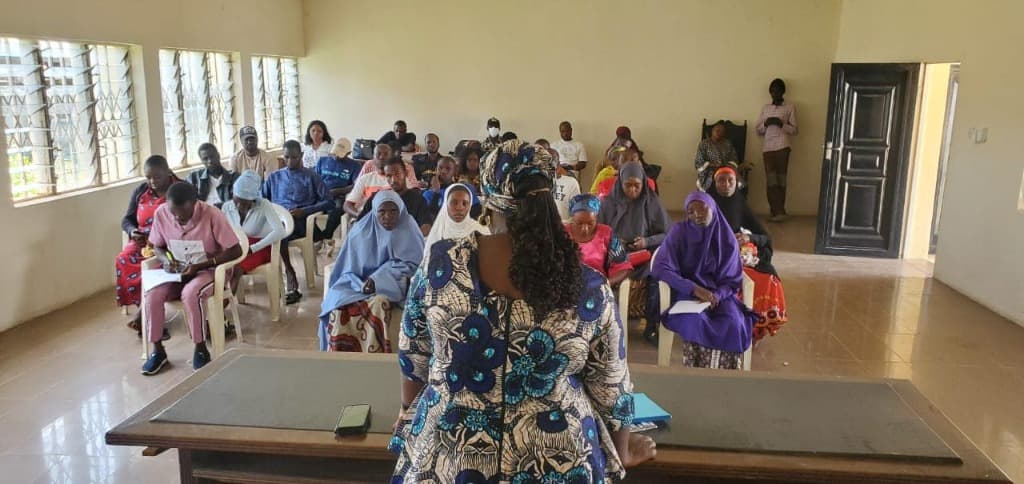
Empowering Youth as Agents of Change
Unlocking the potential of young people through vocational training, mentorship, and economic opportunities to drive social and national development.
Addressing the Youth Deficit
With over 60% of Africa's population under the age of 25, youth unemployment remains a critical issue that fuels poverty and social unrest across the continent. Many young people lack the practical skills needed to navigate the modern job market or start their own businesses. We believe that when youth are skilled, engaged, and economically independent, they become the most powerful drivers of innovation, peace, and national development. Neglecting this demographic is a risk we cannot afford.
Skills for the Future
MATIF focuses on closing the skills gap by offering NABTEB-certified vocational training that meets industry standards. We aim to equip 5,000 youths annually with employable and technical skills in modern agriculture, ICT, and renewable energy. Beyond technical skills, we emphasize leadership development, financial literacy, and civic engagement. Our goal is to foster self-reliance and confidence, enabling young people to create value in their communities rather than waiting for handouts.
Creating Entrepreneurs
Our 'Skills Training Center' provides intensive, hands-on workshops in diverse trades. Upon graduation, trainees are not just sent off with a certificate; we provide startup kits and access to a mentorship network to help them launch their ventures. We have seen tremendous success, with many of our graduates establishing their own profitable small businesses within months of completion. From poultry farming to solar installation, our youth are proving that with the right support, they can transform the economic landscape.
Ready to make a difference?
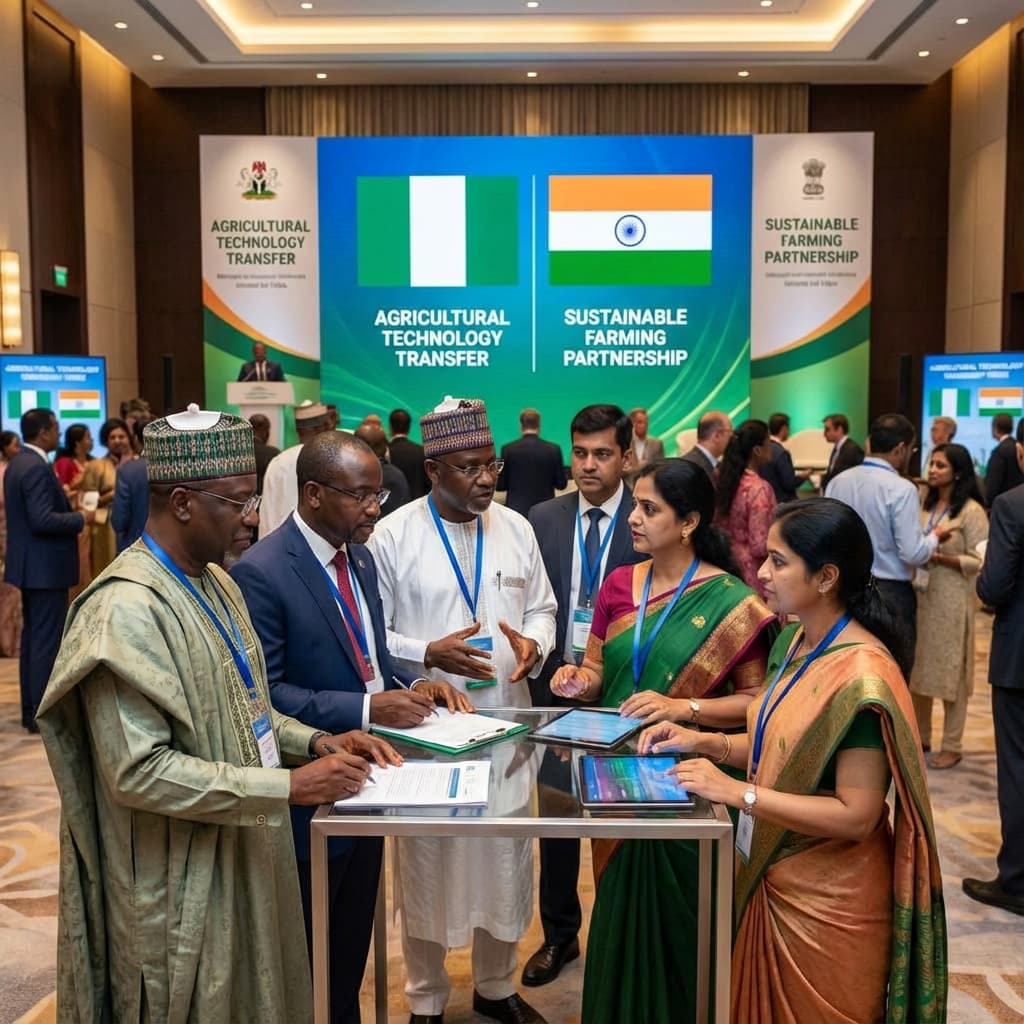
Leveraging Technology for Inclusive Growth
Bridging the digital divide by integrating modern technology into agriculture and education for accelerated development.
The Digital Imperative
Technology is reshaping the global economy, yet rural communities in Nigeria and across Africa are often left on the wrong side of the digital divide. Lack of access to digital tools limits opportunities for modern farming, education, and market connectivity. We understand that in the 21st century, digital literacy is as fundamental as reading and writing. Bridging this gap is essential to ensure that rural populations can participate fully in the continent's development and access the vast resources available globally.
Innovation at the Grassroots
We strive to digitize rural agriculture by introducing user-friendly tech tools for soil testing, precision farming, and weather forecasting. Our ambition is to make 'Smart Farming' a reality for the grassroots farmer, increasing efficiency and reducing waste. Furthermore, we are establishing rural innovation hubs where young people can learn coding, robotics, and digital marketing, positioning them to compete in the global digital economy and solve local challenges with tech-driven solutions.
Connecting Farms to Markets
We are currently piloting a mobile-based digital platform to connect farmers directly to bulk buyers, eliminating exploitative middlemen and ensuring fair pricing. Additionally, our ICT training modules are mandatory for all our vocational students, ensuring they are computer literate. We have also partnered with tech firms to introduce drone technology for farm mapping and crop monitoring, a pioneering initiative that is set to revolutionize how farm data is collected and utilized in Nigeria and beyond.
Ready to make a difference?
Education for Equitable & Lifelong Learning
Providing access to quality education and vocational skills that open doors to opportunity and personal growth for all ages.
Foundation for Development
Education is the bedrock of any progressive society. Unfortunately, many children and adults in communities across Nigeria and Africa lack access to quality formal education or vocational learning opportunities. This deprivation limits their economic potential and perpetuates cycles of poverty. We advocate for a holistic approach to education that values practical skills alongside academic knowledge, ensuring that every individual has the tools they need to build a life of dignity and purpose.
Learning for Employment
MATIF is dedicated to the philosophy of 'Education for Employment.' We partner with the Ministry of Education and NABTEB to provide accredited certification (NSQ) that is recognized nationally and internationally. This ensures that our training leads directly to employment or higher education opportunities. We also focus on 'Train the Trainer' workshops to enhance the capacity of local educators, ensuring that the quality of instruction in our communities continues to improve sustainably.
Scholarships & Literacy
Beyond vocational training, we run adult literacy programs to help farmers understand contracts and educational materials. We have also established a scholarship fund for underprivileged children, particularly those displaced by conflict, ensuring they can return to school. Our community libraries and resource centers provide a safe haven for learning, equipped with books and digital resources that were previously inaccessible to these rural populations.
Ready to make a difference?
Compassionate Humanitarian Support
Delivering vital aid and long-term recovery support to conflict-affected and displaced communities to restore dignity and hope.
Responding to Crisis
Conflict and displacement in various regions of Nigeria and Africa have left thousands of families vulnerable, without homes, food, or livelihoods. The trauma of displacement is compounded by the lack of basic necessities. Immediate and sustained humanitarian support is not just an act of charity but a moral imperative. We monitor these crisis zones closely to ensure that our response is timely, targeted, and effective in alleviating suffering.
From Relief to Resilience
While emergency relief is crucial, we go beyond providing temporary aid to focus on long-term rehabilitation. Our goal is to help Internally Displaced Persons (IDPs) transition from dependency to self-sufficiency. We achieve this by integrating psychosocial support with livelihood restoration programs. By giving displaced families the means to earn an income—be it through farming, tailoring, or crafts—we help them regain their independence and sense of dignity.
Rebuilding Lives
Our interventions in IDP camps across Nigeria have been impactful. We have distributed food, shelter materials, and hygiene kits to thousands of households. More importantly, we have provided agricultural starter packs (seeds, tools, fertilizer) to displaced farmers, allowing them to cultivate land and feed their families. These efforts have been instrumental in stabilizing fragile communities and planting the seeds of hope for a peaceful future.
Ready to make a difference?
Strengthening Communities From Within
Fostering inclusive growth by improving local infrastructure, health, and social cohesion through participatory community development.
The Power of Community
Strong, cohesive communities are the building blocks of a stable and prosperous nation and continent. However, the lack of basic infrastructure, healthcare, and social cohesion often hinders progress in rural areas. We believe that sustainable development cannot be imposed from the outside; it must be driven by the community members themselves. Understanding local needs, cultural dynamics, and aspirations is the first step toward meaningful change.
Participatory Growth
We espouse a bottom-up approach, working hand-in-hand with community leaders, women's groups, and youth organizations to identify their most pressing needs. Our goal is to improve rural infrastructure, such as water access and market stalls, and to enhance community health outcomes through sanitation and nutrition education. We facilitate participatory planning sessions where every voice is heard, ensuring that our projects have full community ownership and are maintained long after we leave.
Building Together
We have successfully facilitated the construction of community wells, rehabilitating specialized health centers, and organizing regular health outreach programs. Our regular 'Town Hall' meetings serve as a platform for dialogue and conflict resolution, fostering peace and unity among diverse ethnic and religious groups. By strengthening the social fabric and physical infrastructure simultaneously, we are creating resilient communities that can weather challenges and seize new opportunities.
Ready to make a difference?
Start Your Agricultural Journey Today
Join the MATIF National Skills Qualification program. Transform your future with expert-led training, certification, and mentorship.
Why Register Now?
Your information is safe 🔒
We respect your privacy. No data sharing.Read policy.